
Dodge Charger: VEHICLE MAINTENANCE / Underhood Fuses
Dodge Charger 2011-2026 Owner's Manual / SERVICING AND MAINTENANCE / VEHICLE MAINTENANCE / Underhood Fuses
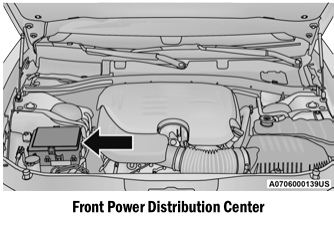
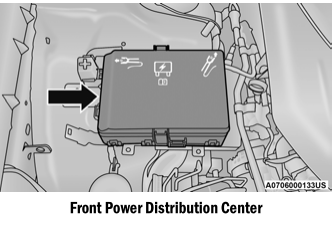
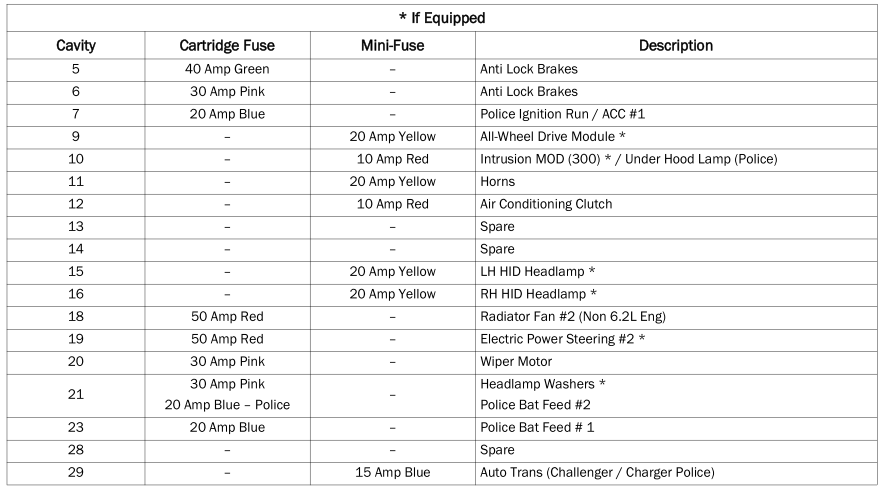
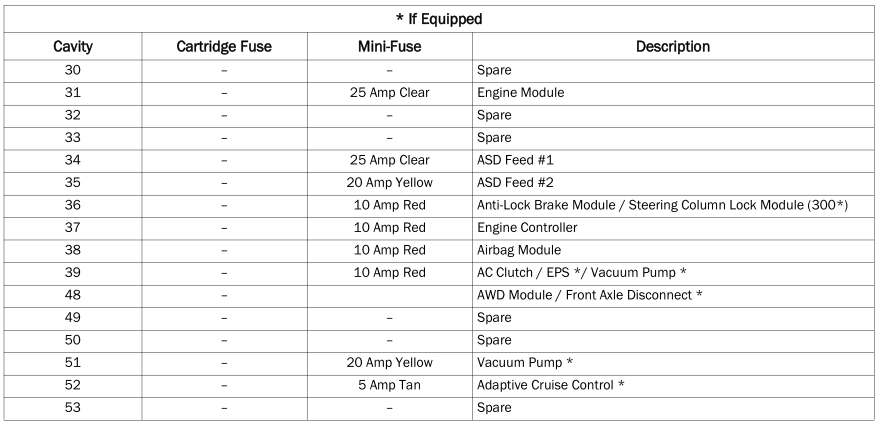
The Front Power Distribution Center is located in the engine compartment. This module contains fuses and relays. Fuse cavity location and descriptions are printed on the inside of the power distribution center cover.
CAUTION!
- When installing the power distribution center cover, it is important to ensure the cover is properly positioned and fully latched. Failure to do so may allow water to get into the power distribution center and possibly result in an electrical system failure.
- When replacing a blown fuse, it is important to use only a fuse having the correct amperage rating. The use of a fuse with a rating other than indicated may result in a dangerous electrical system overload. If a properly rated fuse continues to blow, it indicates a problem in the circuit that must be corrected.

 Fuses
Fuses
WARNING!
When replacing a blown fuse, always use an appropriate replacement
fuse with the same amp rating as the original fuse. Never replace a fuse with
another fuse of higher amp rating...
 Rear Interior Fuses
There is also a power distribution center located in the trunk under the spare
tire access panel. This center contains fuses and relays. Fuse cavity location and
descriptions are printed on the inside of the power distribution center cover...
Other information:
Dodge Charger 2011-2026 Owner's Manual: Venting Sunroof
Push and release the Vent button within one-half second and the sunroof will open to the vent position. This is called “Express Vent” and it will occur regardless of sunroof position. During Express Vent operation, any movement of the switch will stop the sunroof...
Dodge Charger 2011-2026 Owner's Manual: VEHICLE MAINTENANCE
An authorized dealer has the qualified service personnel, special tools, and equipment to perform all service operations in an expert manner. Service Manuals are available which include detailed service information for your vehicle. Refer to these Service Manuals before attempting any procedure yourself...
Categories
- Manuals Home
- Dodge Charger Owners Manual
- Dodge Charger Service Manual
- PARKING BRAKE
- To Lock/Unlock The Doors And Trunk
- Jump Starting Procedure
- New on site
- Most important about car
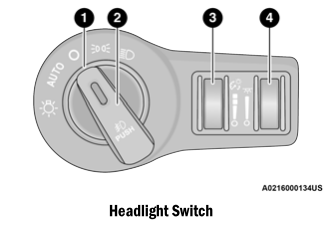
Headlight Switch
The headlight switch is located on the left side of the instrument panel. This switch controls the operation of the headlights, parking lights, instrument panel lights, and fog lights (if equipped).

Copyright © 2026 www.docharger.org