Dodge Charger: ENGINE COMPARTMENT / Checking Oil Level
WARNING!
- Never smoke while working in the engine compartment: gas and inflammable vapors may be present, with the risk of fire.
- Be very careful when working in the engine compartment when the engine is hot: you may get burned. Do not get too close to the radiator cooling fan: the electric fan may start; danger of injury. Scarves, ties and other loose clothing might be pulled by moving parts.
CAUTION!
- Be careful not to confuse the various types of fluids while topping up: they are not compatible with each other! Topping up with an unsuitable fluid could severely damage your car.
- The oil level must never exceed the MAX mark.
- Always top up using engine oil of the same specifications as that already in the engine.
- If the engine oil is being topped up, wait for the engine to cool down before loosening the filler cap, particularly for vehicles with aluminium cap (if equipped). WARNING: risk of burns!
- Overfilling or underfilling the crankcase will cause aeration or loss of oil pressure. This could damage your engine.
To ensure proper engine lubrication, the engine oil must be maintained at the correct level. Check the oil level at regular intervals, such as every fuel stop. The best time to check the engine oil level is about ten minutes after a fully warmed up engine is shut off.
Checking the oil while the vehicle is on level ground will improve the accuracy of the oil level readings.
There are four possible dipstick types:
- Crosshatched zone.
- Crosshatched zone marked SAFE.
- Crosshatched zone marked with MIN at the low end of the range and MAX at the high end of the range.
- Crosshatched zone marked with dimples at the MIN and the MAX ends of the range.
NOTE:
Always maintain the oil level within the cross- hatch markings on the dipstick.
Adding 1 quart (1 liter) of oil when the reading is at the low end of the dipstick range will raise the oil level to the high end of the range marking.
CAUTION!
Overfilling or underfilling the crankcase will cause aeration or loss of oil pressure. This could damage your engine.
 5.7L Engine
..
 Adding Washer Fluid
The windshield washer fluid reservoir is located in the front of the engine compartment.
Be sure to check the fluid level at regular intervals. Fill the reservoir with windshield
washer solvent (not radiator antifreeze) and operate the system for a few seconds
to flush out the residual water...
Other information:
Dodge Charger 2011-2026 Owner's Manual: JACKING AND TIRE CHANGING
WARNING! Do not attempt to change a tire on the side of the vehicle close to moving traffic. Pull far enough off the road to avoid the danger of being hit when operating the jack or changing the wheel. Being under a jacked-up vehicle is dangerous...
Dodge Charger 2011-2026 Owner's Manual: INTRODUCTION
Symbols Key WARNING! - These statements are against operating procedures that could result in a collision, bodily injury and/or death. CAUTION! - These statements are against procedures that could result in damage to your vehicle. NOTE: - A suggestion which will improve installation, operation, and reliability...
Categories
- Manuals Home
- Dodge Charger Owners Manual
- Dodge Charger Service Manual
- Opening And Closing The Trunk
- Service Tire Pressure System Warning
- SCHEDULED SERVICING
- New on site
- Most important about car
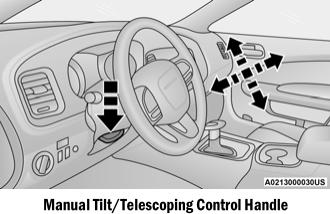
Manual Tilt/Telescoping Steering Column — If Equipped
This feature allows you to tilt the steering column upward or downward. It also allows you to lengthen or shorten the steering column. The tilt/telescoping control is located below the steering wheel at the end of the steering column.